Northern Home Improvement Design Trends for Cold Climates sets the stage for this enthralling narrative, offering readers a glimpse into a story that is rich in detail with casual formal language style and brimming with originality from the outset.
When it comes to designing homes in cold climates, there are specific elements that can make a significant difference in comfort and energy efficiency. From insulation to winter-proofing techniques, this guide explores the essential aspects of creating warm and inviting spaces in northern regions.
Northern Home Improvement Design Trends for Cold Climates
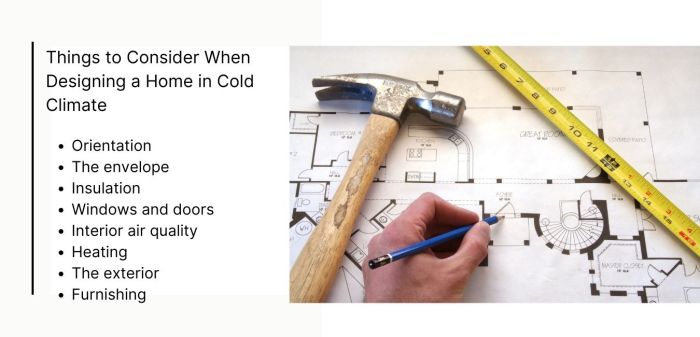
When designing homes in northern regions, it is crucial to consider the climate to ensure the comfort and efficiency of the living space. Cold climates present unique challenges that require specific design elements to address the harsh weather conditions.
Traditional vs. Modern Design Trends
Traditionally, homes in cold climates were built with heavy insulation, small windows, and pitched roofs to withstand snow loads. However, modern design trends have evolved to prioritize energy efficiency, natural light, and sustainable materials.
- Traditional: Thick insulation to retain heat
- Modern: High-performance insulation to reduce energy consumption
- Traditional: Small windows to minimize heat loss
- Modern: Large, energy-efficient windows for natural light
- Traditional: Pitched roofs for snow runoff
- Modern: Green roofs for insulation and stormwater management
Insulation and Energy Efficiency
Insulation plays a crucial role in maintaining comfortable indoor temperatures and reducing energy consumption in homes located in cold climates. Proper insulation helps retain heat during winter months and keeps the cold air out, contributing to energy efficiency and cost savings.
Innovative Ways to Improve Energy Efficiency
- Utilize spray foam insulation: Spray foam insulation provides a tight seal, preventing air leakage and improving energy efficiency.
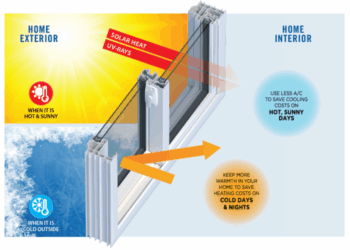
- Install double or triple-pane windows: Windows with multiple panes offer better insulation and reduce heat loss.
- Use smart thermostats: Smart thermostats allow for precise temperature control, optimizing energy usage and reducing heating costs.
- Implement passive solar design: Orienting homes to maximize sunlight exposure can help reduce heating needs during colder months.
Sustainable Materials for Enhanced Insulation
- Recycled denim insulation: Made from recycled denim jeans, this eco-friendly insulation material provides effective thermal performance.
- Cellulose insulation: Composed of recycled paper fibers, cellulose insulation offers good thermal resistance and helps reduce energy consumption.
- Wool insulation: Wool is a natural and renewable material that provides excellent insulation properties and is biodegradable.
- Cork insulation: Cork is a sustainable material with high insulation value and acoustic properties, ideal for cold climates.
Winter-Proofing Techniques
Winter-proofing your home in cold climates is essential to maintain warmth and energy efficiency during the colder months. By properly insulating and sealing your home, you can prevent heat loss and drafts, creating a cozy and comfortable living space.
Role of Windows, Doors, and Roofing
- Windows: Upgrade to energy-efficient windows with double or triple panes to reduce heat transfer. Consider adding weather-stripping or caulking around window frames to seal any gaps.
- Doors: Install weather-stripping around doors to prevent drafts. Consider using door sweeps to seal the bottom of doors and minimize heat loss.
- Roofing: Ensure your roof is properly insulated to prevent heat from escaping. Consider adding attic insulation to maintain a consistent temperature throughout your home.
Tips to Prevent Heat Loss and Drafts
- Seal Air Leaks: Inspect your home for air leaks around windows, doors, and electrical outlets. Use caulking or weather-stripping to seal any gaps and prevent heat loss.
- Insulate Attic and Walls: Proper insulation in the attic and walls can significantly reduce heat loss. Consider adding insulation to improve energy efficiency and maintain warmth.
- Use Thermal Curtains: Install thermal curtains on windows to reduce heat transfer and keep cold air out. These curtains can help insulate your home and improve energy efficiency.
Seasonal Design Adaptations
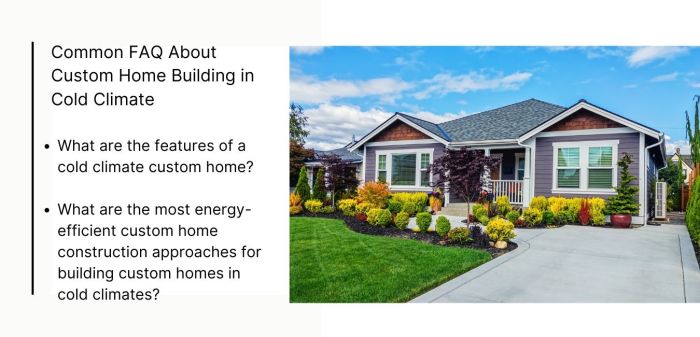
Seasonal design adaptations play a crucial role in creating a comfortable and inviting atmosphere in homes located in cold climates. As the seasons change, it's important to transition your interior decor to reflect the colder weather and create a cozy ambiance.
Transitioning Interior Decor
When transitioning interior decor from summer to winter, consider changing up textiles, colors, and lighting to match the season. Opt for warmer, heavier fabrics like wool or velvet for throws and pillows to add texture and warmth to your space.
Darker, richer colors such as deep blues, burgundies, and forest greens can create a more intimate and inviting atmosphere during the winter months.
Using Textiles, Colors, and Lighting
- Textiles: Incorporate plush rugs, faux fur throws, and knit blankets to add layers of coziness to your home. These textures not only provide warmth but also visually enhance the winter feel.
- Colors: Swap out light and airy summer colors for deeper, more saturated hues. Consider adding pops of color through accessories like throw pillows, curtains, or wall art to liven up your space.
- Lighting: Create a warm and inviting ambiance with the use of soft, ambient lighting. Opt for table lamps, floor lamps, and candles to add a soft glow that complements the winter aesthetic.
Summary
As we conclude our exploration of Northern Home Improvement Design Trends for Cold Climates, it is evident that incorporating the right design elements can transform a house into a cozy sanctuary even in the harshest winters. By blending traditional and modern trends, focusing on insulation and energy efficiency, and implementing smart winter-proofing techniques, homeowners can create spaces that are not only stylish but also sustainable and comfortable throughout the year.
FAQs
What are some innovative ways to improve energy efficiency in homes in cold climates?
Some innovative ways include using smart thermostats, installing energy-efficient windows and doors, and incorporating renewable energy sources like solar panels.
How can homeowners prevent heat loss and drafts in their homes during winter?
Homeowners can prevent heat loss by sealing gaps around windows and doors, insulating attics and walls, and using heavy curtains or blinds to trap heat inside.
What are some effective winter-proofing techniques for homes in cold climates?
Effective winter-proofing techniques include adding weather stripping to windows and doors, insulating pipes to prevent freezing, and installing a programmable thermostat to regulate indoor temperatures efficiently.